Introduction to the Key Aspects of Marketing
Marketing is a dynamic field that is essential for the growth and success of any business. Understanding its key aspects can significantly enhance a company’s ability to attract and retain customers. In this comprehensive guide, I delve into the foundational elements of marketing that every professional should know. From market research to branding, these components are integral to crafting effective marketing strategies.
To navigate the complex world of marketing, it is important to first grasp what these key aspects entail. They are the building blocks of all successful marketing campaigns, acting as guiding principles to achieve business objectives. As we explore these areas, you’ll gain insights into how they can be leveraged to create a competitive edge in today’s market.
This article aims to provide a thorough understanding of these essential elements. Whether you’re a seasoned marketer or a business owner seeking to boost your marketing efforts, this guide will serve as a valuable resource in your journey.
What Do You Mean by Key Aspects of Marketing?
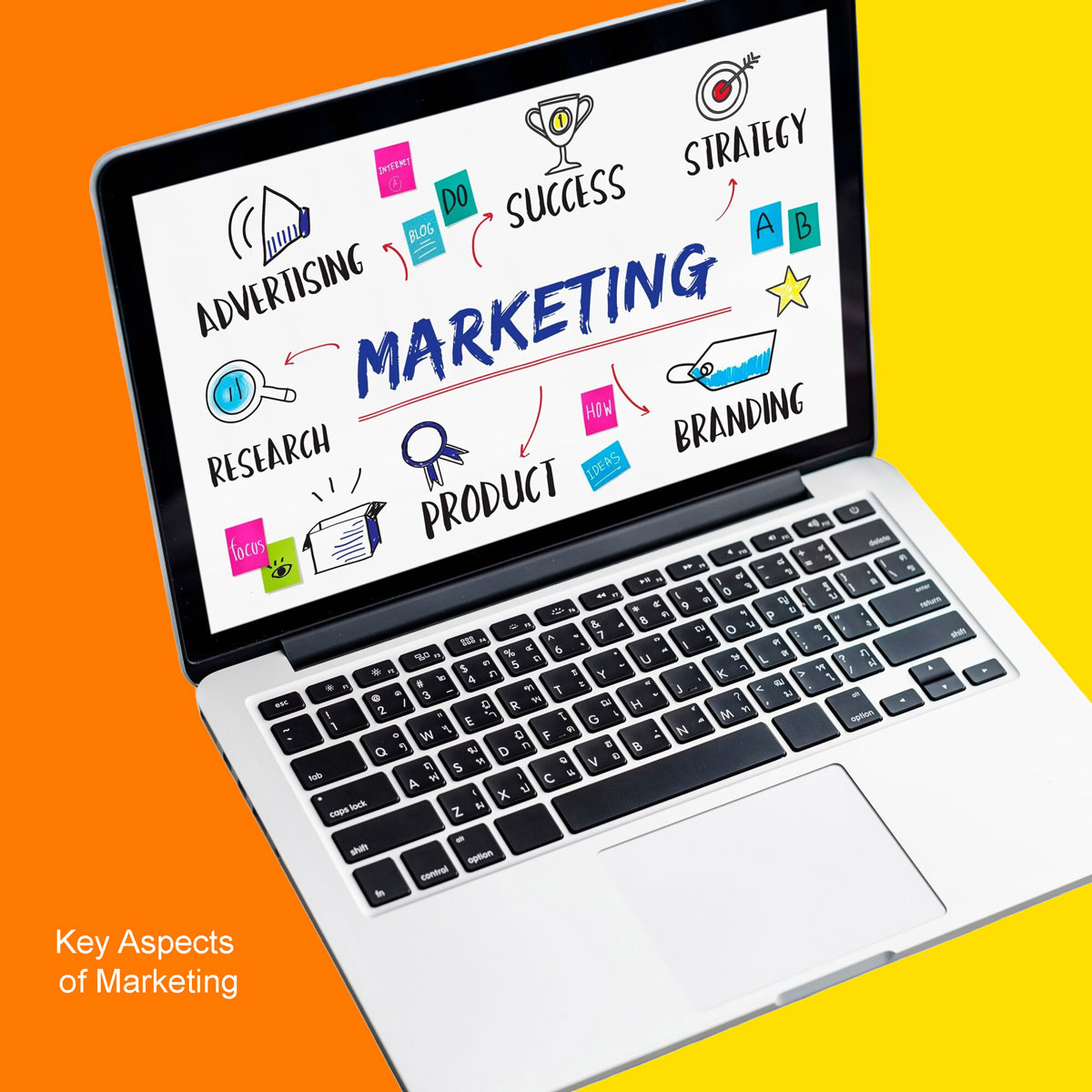
The key aspects of marketing refer to the fundamental components that form the foundation of any marketing strategy. These include market research, target audience identification, branding, positioning, and the marketing mix. Understanding these elements is critical for developing campaigns that effectively reach and engage consumers.
Market Research plays a vital role in understanding consumer behavior and market trends. It involves gathering and analyzing data to make informed decisions about product development, pricing, and promotional strategies. Without thorough market research, businesses risk launching products that do not meet consumer needs.
Target Audience Identification and Segmentation are crucial for tailoring marketing efforts. By identifying specific groups within a market, businesses can craft messages that resonate with particular segments, increasing the likelihood of conversion. This targeted approach is more effective than broad, untargeted marketing.
The Role of Market Research in Marketing
Market research is the backbone of any successful marketing strategy. It provides the insights needed to understand consumer preferences, market trends, and competitive landscapes. By conducting thorough market research, we can identify opportunities and threats within the market, enabling us to make strategic decisions that align with consumer demand.
There are several methods of conducting market research, including surveys, focus groups, and data analysis. Each approach offers unique insights, and when combined, they provide a comprehensive view of the market. This information is invaluable for developing products and services that meet the needs of target audiences.
Market research also helps in assessing the effectiveness of marketing campaigns. By analyzing consumer feedback and sales data, we can refine our strategies to improve outcomes. This continuous cycle of research and adaptation is essential for staying relevant in an ever-changing marketplace.
Understanding Target Audience and Segmentation
Identifying and understanding the target audience is essential for effective marketing. It allows us to create personalized marketing messages that resonate with specific consumer groups. Segmentation involves dividing the broader market into smaller, more manageable groups based on shared characteristics such as demographics, psychographics, and behavior.
By segmenting the market, we can tailor our marketing efforts to meet the unique needs and preferences of each group. This targeted approach increases the relevance of our messages, leading to higher engagement and conversion rates. It also allows us to allocate resources more efficiently, maximizing the return on investment for our marketing campaigns.
To effectively segment the market, we must conduct thorough research to identify key characteristics and preferences of different consumer groups. This involves analyzing data from various sources, including customer surveys, purchasing behavior, and social media activity. Armed with this information, we can develop strategies that align with the needs of our target audience.
The Importance of Branding and Positioning
Branding is a crucial element of any marketing strategy. It encompasses the creation of a unique identity for a product or company, which distinguishes it from competitors. A strong brand communicates the values and benefits of a product, fostering trust and loyalty among consumers.
Positioning, on the other hand, involves crafting a specific image or perception of a brand in the minds of consumers. It is about determining how a product fits within the market and how it is perceived relative to competitors. Effective positioning is achieved through consistent messaging and branding efforts across all marketing channels.
Both branding and positioning are vital for establishing a strong market presence. They help build consumer trust and loyalty, which are essential for long-term success. By clearly defining our brand and positioning it effectively, we can differentiate ourselves from competitors and create a lasting impression on consumers.
Marketing Mix: The 4 Ps Explained
The marketing mix, often referred to as the 4 Ps, is a fundamental concept in marketing. It comprises Product, Price, Place, and Promotion, each of which plays a critical role in the success of a marketing strategy. Understanding how to balance these elements is essential for developing effective marketing campaigns.
- Product: This refers to the goods or services offered by a company. It is important to ensure that the product meets the needs and preferences of the target audience. Product development should be guided by market research and consumer feedback.
- Price: This involves determining the cost consumers are willing to pay for a product. Pricing strategies should consider factors such as production costs, competitor pricing, and perceived value. Competitive pricing can be a powerful tool for attracting and retaining customers.
- Place: This refers to the distribution channels used to deliver the product to consumers. It is important to choose channels that are accessible and convenient for the target audience. Effective distribution ensures that the product is available where and when consumers need it.
- Promotion: This includes the various methods used to communicate with the target audience, such as advertising, public relations, and sales promotions. The goal is to raise awareness and generate interest in the product, ultimately driving sales.
By carefully balancing the 4 Ps, we can create a cohesive marketing strategy that effectively reaches and engages our target audience. Each element must be aligned with the overall business objectives and consumer needs.
Digital Marketing Trends in Asia
Asia is a rapidly growing market with unique digital marketing trends. The region’s diverse cultural landscape and technological advancements present both challenges and opportunities for marketers. Understanding these trends is crucial for developing effective digital marketing strategies in Asia.
Social media platforms are immensely popular in Asia, with millions of users engaging daily. Platforms like WeChat, TikTok, and LINE have become integral to digital marketing efforts in the region. Leveraging these platforms can enhance brand visibility and engagement among Asian consumers.
E-commerce is another significant trend in Asia, with online shopping becoming increasingly popular. Brands are investing in digital storefronts and optimizing mobile experiences to cater to tech-savvy consumers. Additionally, the rise of influencer marketing has transformed how brands connect with audiences, making it a key component of digital marketing strategies in Asia.
Unique Marketing Strategies in India
India, with its diverse population and rapidly growing economy, presents unique marketing opportunities and challenges. Understanding the nuances of the Indian market is essential for developing effective marketing strategies that resonate with local consumers.
Localization is a key strategy for success in India. This involves tailoring marketing messages and product offerings to align with the cultural preferences and languages of different regions. By adopting a localized approach, brands can connect with consumers on a more personal level, fostering loyalty and trust.
Another important strategy is leveraging digital platforms to reach the tech-savvy Indian consumer. With the increasing penetration of smartphones and internet connectivity, digital marketing has become a powerful tool for brands in India. Social media, mobile apps, and online marketplaces are essential channels for reaching Indian consumers and driving sales.
Challenges and Opportunities in Marketing in Asia
Marketing in Asia presents both challenges and opportunities due to the region’s diverse cultural landscape and rapid technological advancements. Understanding these dynamics is crucial for developing effective marketing strategies that resonate with Asian consumers.
One of the main challenges is navigating the cultural diversity across different Asian countries. Each market has its unique cultural preferences and consumer behaviors, requiring marketers to adopt a tailored approach for each region. This involves conducting thorough market research and developing culturally relevant marketing messages.
On the other hand, the rapid growth of digital technologies in Asia presents significant opportunities for marketers. The increasing adoption of smartphones and social media platforms has opened new channels for reaching and engaging consumers. Brands that effectively leverage these digital tools can gain a competitive edge in the Asian market.
Conclusion: The Future of Marketing
As we look to the future, the key aspects of marketing will continue to evolve, driven by technological advancements and changing consumer preferences. Staying ahead of these trends is essential for developing effective marketing strategies that resonate with consumers and drive business success.
Digital marketing will play an increasingly important role, with emerging technologies such as artificial intelligence, virtual reality, and data analytics transforming how brands connect with consumers. Marketers must embrace these innovations to stay relevant in a rapidly changing digital landscape.
In conclusion, understanding and leveraging the key aspects of marketing is essential for achieving business success. By staying informed about emerging trends and adapting to changing consumer needs, we can develop strategies that drive growth and create lasting connections with consumers.
For those seeking to enhance their marketing efforts, staying informed about the latest trends and best practices is crucial. I invite you to subscribe to our newsletter for the latest insights and updates in the world of marketing. Together, we can navigate the evolving landscape and achieve marketing success.